
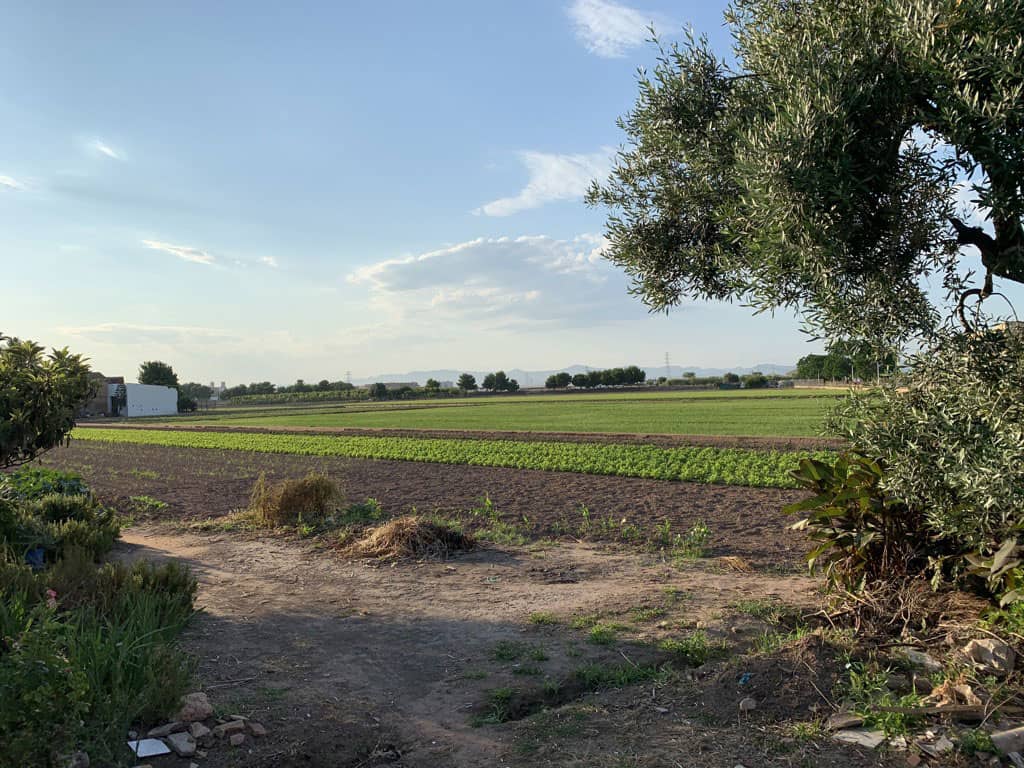
Globally Important Agricultural Heritage Systems (GIAHS), an initiative led by FAO since 2002, stand out as a model for recognizing agri-food systems that integrate agro-biodiversity, local knowledge, and sustainable practices within living and evolving agricultural systems. These areas, designated for their cultural and natural heritage value, are key to dynamic conservation, which does not seek to preserve a fixed state, but rather to foster adaptation and resilience to contemporary challenges (Koohafkan & Altieri, 2011).
The GIAHS
approach
The GIAHS approach has given rise to nearly 100 sites in almost 30 countries on 4 continents, with Spain leading the European list with 5 recognitions. The most notable recognitions in the Valencian Community are the historic irrigation system of the Huerta de València and the Ancient Olive Trees of the Taula del Senia. It is not a static approach, as preservation is perfectly compatible with innovation and the co-evolution of systems toward the incorporation of technologies that respect agricultural culture and landscapes and enable the viability of the systems. Thus, the concept of dynamic conservation is applied in GIAHS, which is based on the idea that traditional agri-food systems can evolve while maintaining their fundamental principles and values. In this context, governance plays a crucial role by facilitating interaction between local, regional, and international stakeholders. This participatory and adaptive approach allows communities not only to preserve their heritage, but also to innovate and respond to changes such as climate change or population pressure (Brookfield, 2001).
Resilience
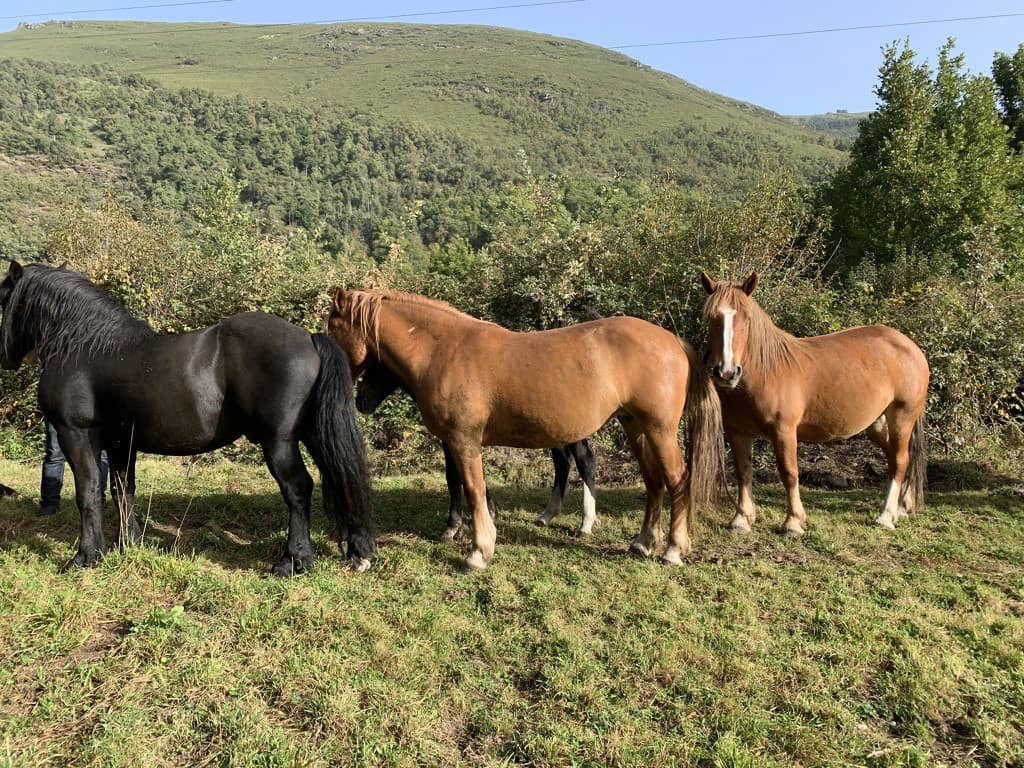
The concept of resilience is central to understanding the capacity of these systems to cope with disturbances. Walker et al. (2004) define resilience as a system’s ability to absorb shocks and reorganize while retaining its basic structure and functions. In GIAHS, this resilience is enhanced by traditional knowledge, which includes agricultural practices, water and biodiversity management techniques, and forms of social organization that have been tested and refined over generations (Berkes et al., 2000).
The governance
of GIAHS
The governance of traditional agri-food systems, as well as GIAHS, requires a multi-level approach that articulates regional and global policies, considering the diversity of actors involved. According to Ostrom (2009), successful governance systems combine local rules designed by communities with the support of higher-level institutions that provide resources and oversight. This model is particularly relevant in GIAHS, where farming communities are the primary custodians of heritage but depend on state and international support to address economic and environmental challenges.
Furthermore, effective governance must foster equity and inclusion, ensuring that the rights of small farmers and local communities are respected. Legal frameworks and policies must be designed to protect these rights while promoting sustainable practices. For example, the FAO has worked to include GIAHS in territorial sustainable development policies, highlighting its potential as a model for integrating traditional and modern practices (FAO, 2021), as reflected in cases of Mediterranean agriculture (Ortega-Reig, 2015). Garcia-Alvarez-Coque et al. 2020; 2021; or in other continents (Fuller et al. 2015; Oo et al. 2022; Sugino et al. 2023).
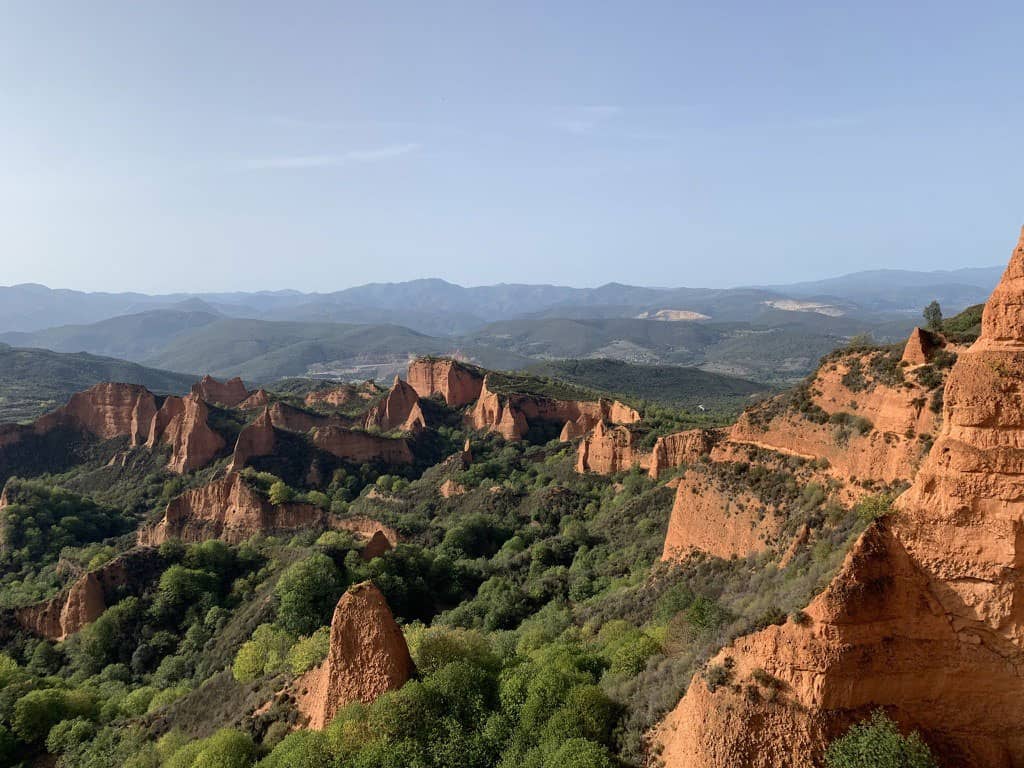
Challenges and opportunities of Heritage Systems:
Knowledge ManagementClimate Change
Climate change has a particular impact on the vulnerability of traditional agri-food systems. IPCC studies (2022) highlight that extreme temperatures and changes in precipitation patterns affect agri-food systems (e.g., GIAHS) and different habitat types in general, whose sustainability depends on the conservation of fragile and biodiverse ecosystems. In response to these challenges, agroecological practices promoted in GIAHS are an effective tool for mitigating and adapting to these impacts. Traditional farming systems, accompanied by a dynamic conservation approach, can facilitate the implementation of the objectives of the Nature Restoration Regulation, approved by the European Council in June 2024. This involves not only meeting EU objectives regarding climate change adaptation, mitigation, and adaptation, and improving food security, but also ensuring the viability of small and medium-sized farms in a context of globalization and asymmetries in the value chain (Garcia-Alvarez-Coque & Piñeiro, 2022).
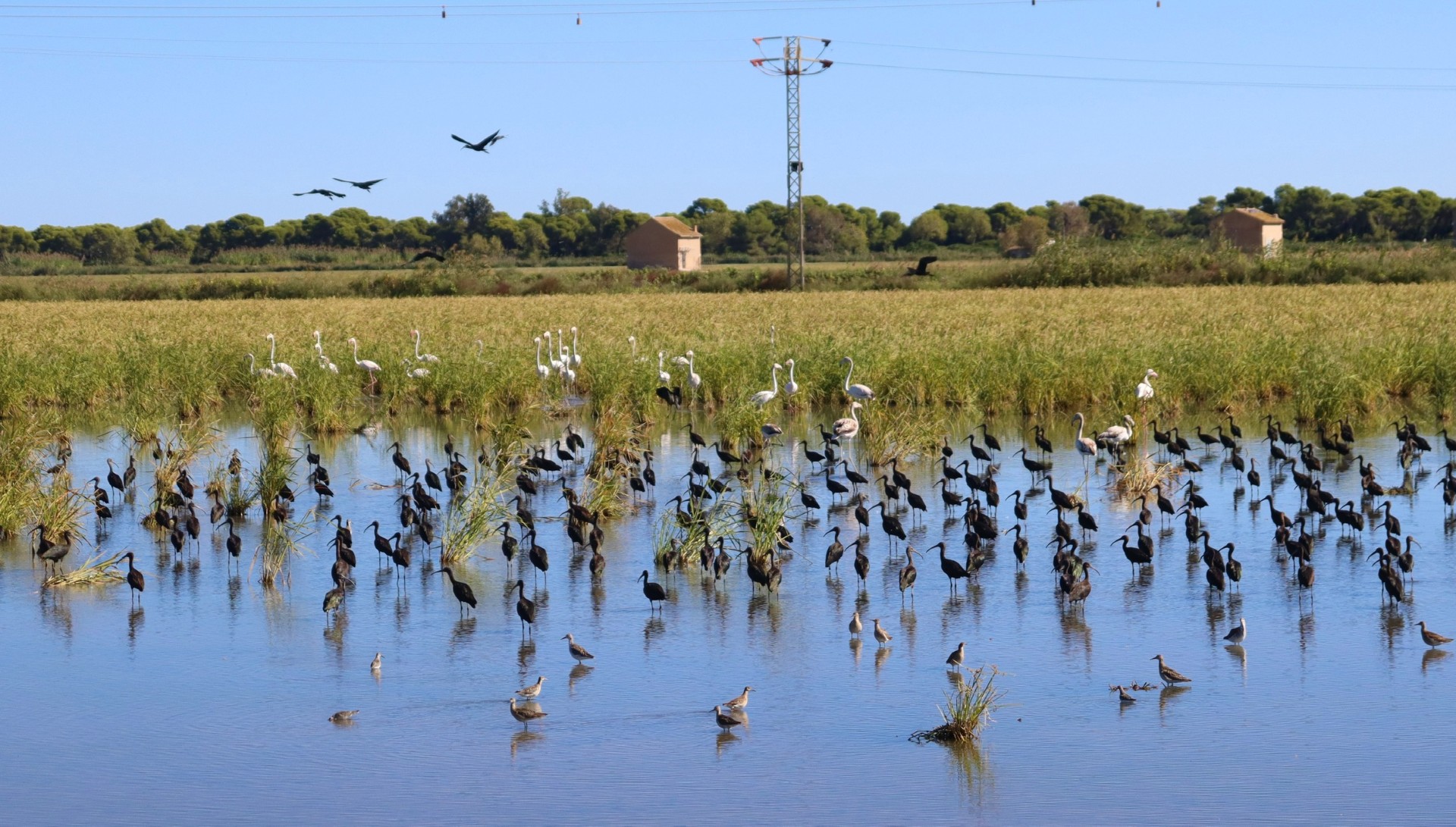
An example of these catastrophic events, linked to climate change and reflecting the importance of maintaining, protecting, and promoting these systems, is the catastrophe caused by the DANA (Valencian Floodplain) in October 2024 in the Valencian Community. This event1 caused severe flooding, agricultural damage, and affected key ecosystems such as the Albufera de Valencia (Valencia Lagoon), which plays a fundamental role in resilience to natural disasters. Traditional agricultural systems and their canals contribute to reducing vulnerability to flooding in peri-urban areas.
The DANA (Valencian Floodplain) has highlighted the importance of strengthening the resilience of agricultural systems through strategies that combine Nature-Based Solutions, such as wetland restoration, with advanced technologies such as monitoring and early warning systems. Furthermore, the historic irrigation techniques of the Huerta de Valencia demonstrated how traditional knowledge can adapt to extreme events.
However, urbanization, a lack of coordination in water management, and poor maintenance of agricultural heritage limit the adaptive capacity of these systems. This underscores the need for sustainable policies that integrate traditional knowledge and technological innovation to ensure the viability of GIAHS in the face of climate change and future extreme events.
Thus, the management, accumulation, and transmission of traditional knowledge is a fundamental element in GIAHS, not only as a source of agricultural practices, but also as an integral system of knowledge and social relations. This knowledge is a powerful tool for addressing environmental challenges, as it is deeply rooted in the local understanding of ecosystems. However, its transmission is at risk due to the migration of young people to urban areas and the loss of interest in traditional practices (Pretty et al., 2009). The conference will also address knowledge holders, or communities that preserve knowledge, such as Indigenous peoples in Latin America.
- In relation to the DANA event, this section focuses solely on the effects on the agrarian system.
Questions
and OutcomesThis conference aims to contribute to the debate and development of strategies on the governance, conservation, and resilience of agrifood systems. In this sense, the conference will contribute to the design of both regional and global public policies.
Below are some of the questions and outcomes expected from the conference:
Can GIAHS help mitigate the impact of extreme weather events?
Development of nature-based conservation strategies and prioritization of GIAHS as green infrastructure in climate risk management plans.
What role does traditional knowledge play in the resilience of agri-food systems?
Proposals for incorporating local knowledge into rural development programs, promoting cultural appreciation policies and community training.
What governance models are most effective for the dynamic conservation of territories?
Creating adaptive governance frameworks that include community engagement, sustainable financing, and inter-institutional collaboration.
How can technological innovation be integrated without compromising the essence of traditional systems?
Identifying how sustainable and accessible technologies can be implemented in agricultural policies, balancing modernization and preservation of traditional practices.
What mechanisms are needed to integrate GIAHS into European biodiversity and climate change plans?
Strengthening international and regional collaboration, ensuring alignment with the goals of the European Biodiversity Strategy, the Climate Adaptation Mission, the Nature Restoration Act, and other EU strategic goals.
European Research
and Innovation StrategyThe event is aligned with the priorities of the European Research and Innovation Strategy, particularly within the framework of the Horizon Europe program and the European Biodiversity Strategy 2030.
These initiatives prioritize sustainability, climate resilience, and the preservation of cultural and natural heritage, key areas addressed in the context of GIAHS.
On the other hand, there is the European Green Deal, which must be properly implemented, supporting small and medium-sized farms, optimizing their opportunities, their commitment to conservation agriculture, short marketing channels, and product differentiation, in line with the quality and culture of the regions.
The theme of the conference connects directly with the objectives of the Climate Change Adaptation Mission, promoting resilient agri-food systems for natural disasters and extreme events, such as those caused by climate change.
Furthermore, the event reinforces the “Innovation for a Greener and More Digital Europe” pillar by exploring the integration of advanced technologies such as artificial intelligence into the dynamic governance and conservation of traditional systems, without compromising local knowledge.
Finally, the event promotes knowledge transfer and collaboration among international stakeholders, aligning with the European objective of promoting transnational research and sustainable development networks.