

October 28, 2025
School of Agricultural and Environmental Engineering (ETSIAMN–UPV)Auditorium, Building 3P, Vera Campus – Polytechnic University of Valencia
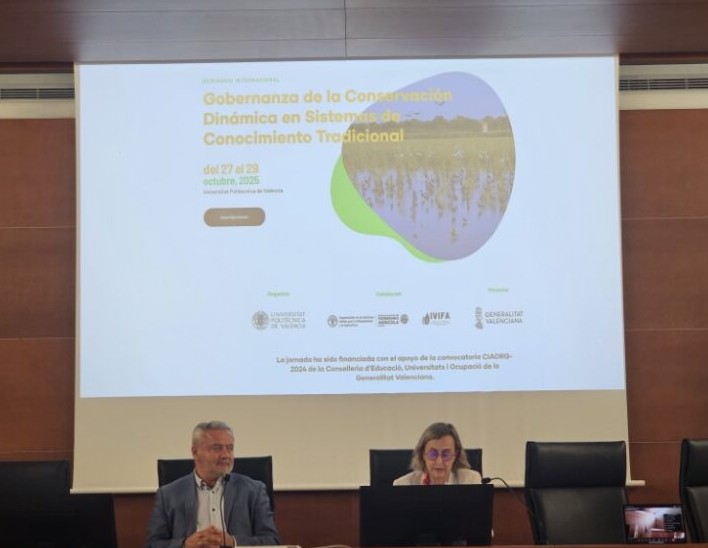
Opening session
15:30Speakers
Constanza Rubio
Director of the Higher Technical School of Agricultural Engineering.
José Alfonso Soria
President of the Central Board of Users and Regulation Union of the Turia River and a senior representative of the Irrigation Communities in the Huerta de Valencia.
José María García Álvarez-Coque
Professor of Applied Economics (UPV) and current Chair of the Scientific Advisory Group of the FAO GIAHS Programme.
- The opening remarks celebrated the interconnection between tradition and innovation as the foundation for dynamic conservation.
- Constanza Rubio highlighted the university’s role as a “bridge between generations,” linking scientific knowledge with ancestral wisdom.
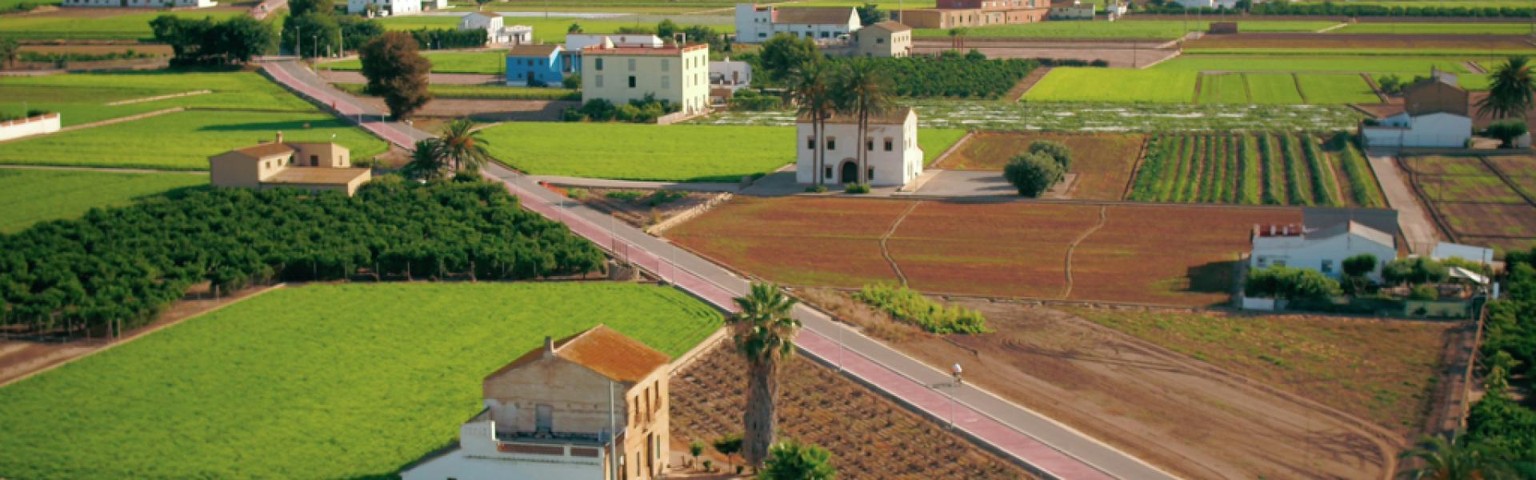
- José Alfonso Soria emphasized the Huerta of Valencia as a living example of balance between culture, sustainability, and community, noting that technological innovation can serve as an ally in preserving and enhancing the traditional systems built by past generations.
- Finally, Professor García Álvarez-Coque reflected on GIAHS sites as living systems that connect agriculture, identity, and resilience in the face of climate change.
Key contributions of the Opening Session to the Seminar
Set the conceptual foundation of dynamic conservation as a balance between tradition and innovation.
Strengthened the connection between academic institutions, water governance bodies, and local communities.
Positioned the Huerta of Valencia as a model GIAHS site and anchor of the system’s identity.
Introduced the idea that technology can support—not replace—traditional systems.
Marked the strategic focus of the seminar: resilience, culture, and sustainable governance.
Valorization of traditional agricultural systems at the international level
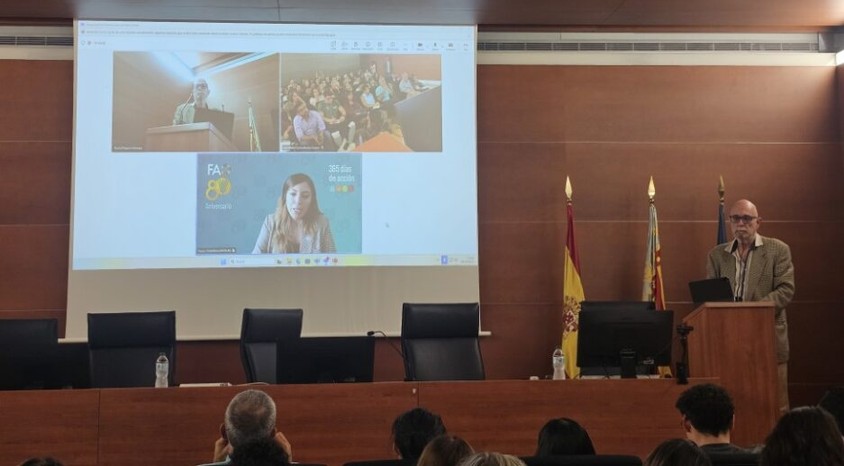
16:00Speakers
Clelia María Puzzo
Agricultural Officer (Agrifood Systems) at FAO and participant in the PhD program in Agrifood Economics at the UPV.
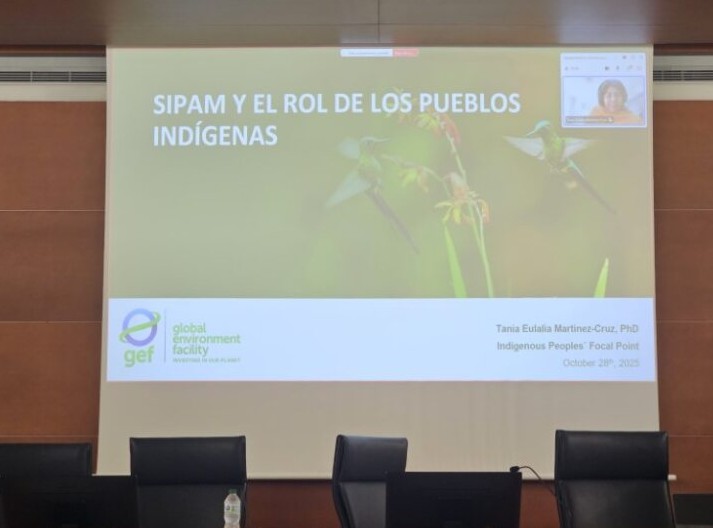
Tania Eulalia Martinez Cruz
PhD in Social Sciences from the WUR, member of the FAO SIPAM Scientific Advisory Group, and specialist in knowledge management for indigenous peoples.
Tania presented a global view of traditional food systems and their relevance for food security and climate adaptation, with examples from Mexico and Chile. She emphasized how Indigenous knowledge forms resilient agroecosystems that blend biodiversity, culture, and sustainability.
Clelia explained the criteria and purpose of the GIAHS programme, describing dynamic conservation as a process that “combines tradition and innovation to support sustainable community development.”
The discussion addressed the challenges of integrating modern technologies, safeguarding traditional knowledge, and encouraging youth participation in the future of rural landscapes.
Key Contributions
Provided a global framework for understanding GIAHS as living, evolving systems.
Highlighted scientific and Indigenous knowledge as complementary forces.
Clarified FAO criteria and the meaning of dynamic conservation internationally.
Brought attention to youth involvement and knowledge transmission.
Marked the strategic focus of the seminar: resilience, culture, and sustainable governance.
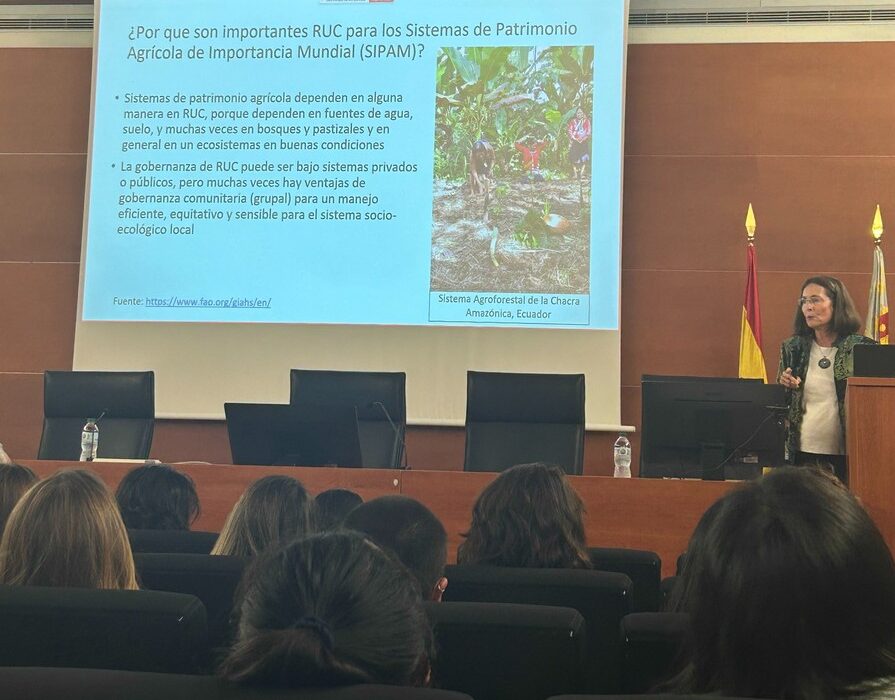
Governance and Resilience of Traditional Systems: Managing the Commons
17:00Speaker
Catherine M. Tucker
Interdisciplinary scientist at the Department of Anthropology and the Center for Latin American Studies at the University of Florida (Gainesville). Vice Chair of the Scientific Advisory Group of FAO’s GIAHS.
- Professor Tucker presented comparative research on 88 GIAHS sites across 26 countries, focusing on community based resource management, particularly of water systems.
- She demonstrated that communal governance strengthens social cohesion, local knowledge, and long-term sustainability.
Key Contributions
Demonstrated how community-based resource governance strengthens resilience.
Presented comparative insights from 88 GIAHS sites in 26 countries, offering global evidence.
Emphasized trust, social cohesion, and shared responsibility as pillars of sustainability.
Contributed a clear theoretical framework for understanding common-resource management.
Reinforced the idea that heritage systems survive because communities know how to manage them.
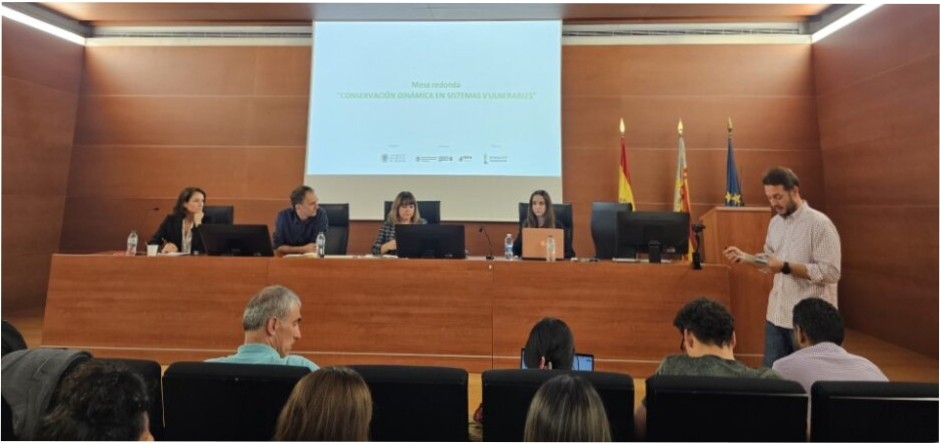
Discussion Panel "Dynamic Conservation in Vulnerable Systems"
18:30Participants
Carles Sanchis
President of the Governing Board of the Albufera Natural Park
Marisa Alba
Predoctoral researcher at the Department of Economics and Social Sciences on the incorporation of Artificial Intelligence into the development of sustainable tourism in GIAHS.
Lola Vicente-Almazán
R&D&I technician in the agri-food area of València Innovation Capital, the innovation foundation of the Valencia City Council. She is responsible for the European RescueME project in Valencia and will speak about the Huerta de
Valencia as a space for resilience.
Ximena Pardo Fuentes
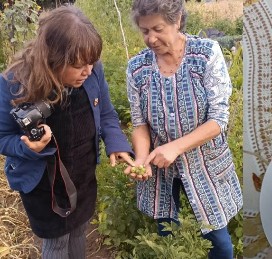
Predoctoral researcher in international cooperation and local development (Ingenio UPV-CSIC) on the role of women seed guardians in the GIAHS of Chiloé (Chile).
Moderator
Norat Roig Tierno
Professor of Applied Economics and member of the International Economics and Development Group (GEID) at the Universitat Politècnica de València.
The roundtable explored resilience and sustainability in fragile agricultural systems, and Huerta de Valencia as a case study.
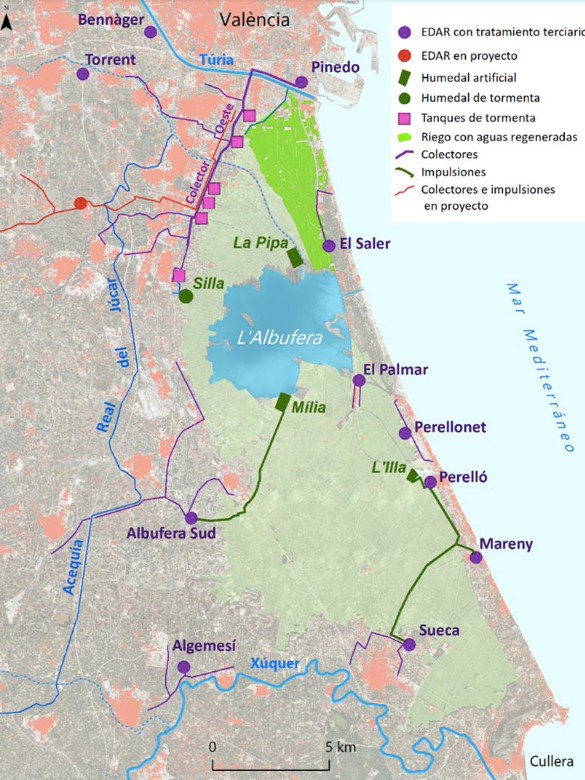
- Carles Sanchis discussed the hydrological and governance challenges of the Albufera Natural Park.
- Marisa Alba presented her doctoral research on artificial intelligence and sustainable tourism in GIAHS, showing how digitalization can enhance conservation while protecting cultural identity.
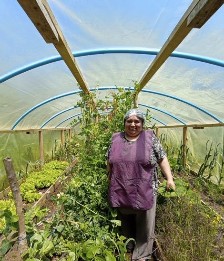
- Ximena Pardo shared her work on women seed guardians in Chiloé.
- Lola Vicente highlighted the European RescueME project, which strengthens the Huerta of Valencia as an urban resilience landscape.
The session concluded that collaboration among science, institutions, and local communities is key to maintaining traditional agricultural systems in the face of market and climate pressures.
Key Contributions
Showed diverse real-world cases (Albufera, Chile, Valencia urban resilience).
Introduced AI and digital tools as opportunities for sustainable tourism and conservation.
Highlighted the role of women as custodians of biodiversity.
Encouraged multi-actor collaboration: researchers, institutions, communities, innovation sectors.
Provided practical examples of adaptation strategies in vulnerable agricultural landscapes.