October 29, 2025
Faculty of Business Administration and ManagementBuilding 7J: Classroom 1.2. Campus de Vera
Dynamic Conservation and Innovation of Traditional Systems
08:30Speaker
Nobuyuki Yagi
Professor at the University of Tokyo specializing in conservation and ecosystem services
Professor Yagi discussed the delicate balance between environmental, economic, and cultural dimensions required for the sustainable future of traditional agricultural systems.
He argued that innovation and tradition are not opposites, but complementary forces when guided by fairness and community values.
Yagi described the FAO’s Globally Important Agricultural Heritage Systems (GIAHS) as a framework to support small-scale agriculture that preserves biodiversity and local knowledge.
Unlike trade-focused organizations, FAO prioritizes sustainable production processes and community empowerment.
“GIAHS sites are not museums of the past — they are living systems that still feed and sustain communities.” — N. Yagi
Using the Philippines as an example, Yagi explained how rural depopulation threatens the continuity of traditional practices.
He called for economic models that make rural livelihoods attractive again, combining heritage with new technologies and agrotourism.
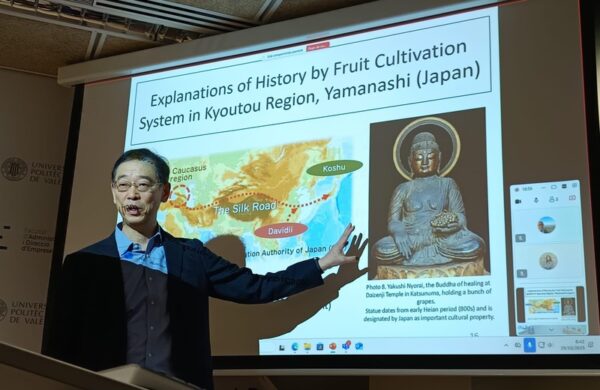
Through examples from Japan, China, and the Philippines, Yagi illustrated how traditional systems adapt through innovation:
- 🍇 Japanese vineyards: raised grape trellises and paper protection against humidity — an ancient adaptation with
eco-tourism potential. - 🍄 Chinese mushroom farming: modernization of an 800-year-old technique that reduces environmental impact.
- 🍵 Solar-powered tea cultivation: clean technology that prevents pesticide use while maintaining ecological balance.
“New technologies are welcome when they help communities sustain their traditions and protect the environment.” — N. Yagi
Yagi shared the example of cacao cooperatives in the Ecuadorian Amazon, which collaborate with Japanese companies through long-term fair trade contracts.
This partnership provides stability and motivation for local farmers while preserving their traditional agroforestry systems.
“Fair and lasting partnerships between producers and consumers are a modern way to protect tradition.” — N. Yagi
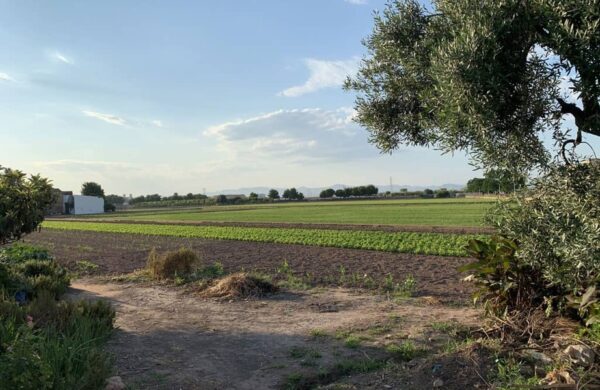
He praised the Huerta of Valencia as an outstanding GIAHS site, noting its historic irrigation system and the Tribunal de las Aguas as examples of enduring governance and equity.
He also compared it with Lake Biwa in Japan, where rice cultivation and fish farming coexist in an integrated ecological model.
“Valencia holds a treasure — its irrigation system and agricultural landscape are unique in the world.” — N. Yagi
Professor Yagi concluded that there are three main paths to strengthen traditional systems:
- Agro- and cultural tourism as sustainable income sources.
- Dynamic conservation through appropriate technological innovation.
- Global collaboration among GIAHS communities.
However, he warned that innovation must always uphold equity and justice, ensuring that no group is left behind.
“Innovation must come with equity and justice; otherwise, it destroys the social fabric that sustains tradition.” — N. Yagi
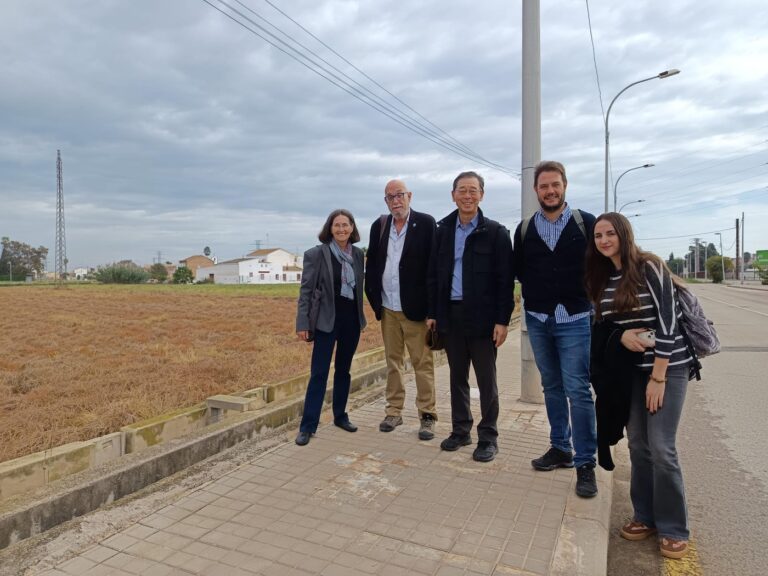
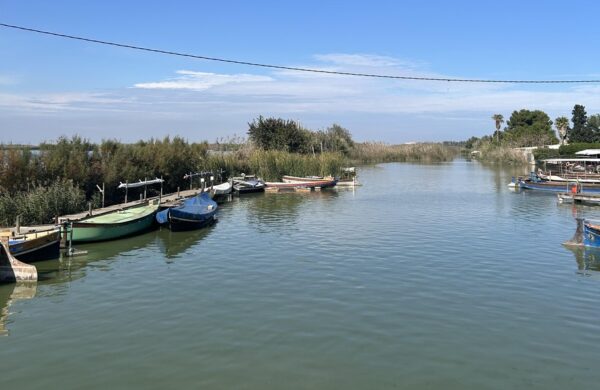
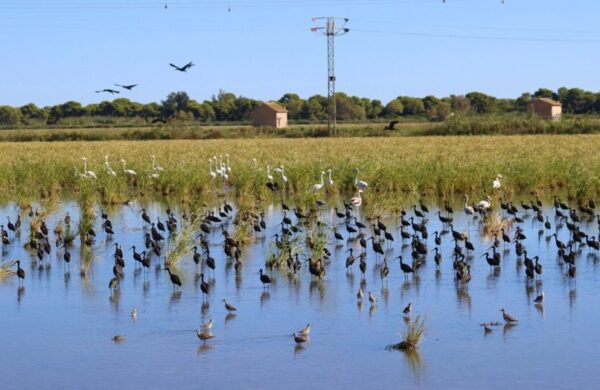
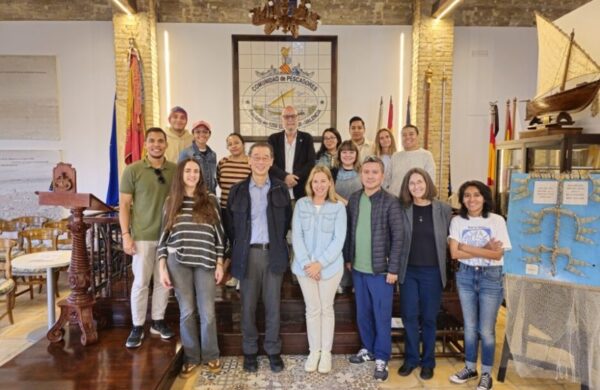
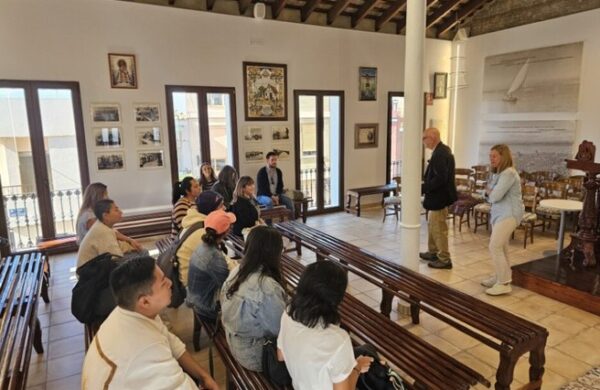
Guided Field Tour of the GIAHS of the Huerta de Valencia and Albufera. Visit to the El Palmar Fishing Community and meeting with Pepe Caballer and Amparo Aleixandre, president and secretary of the community.
11:00Technical visits to L’Horta deValència
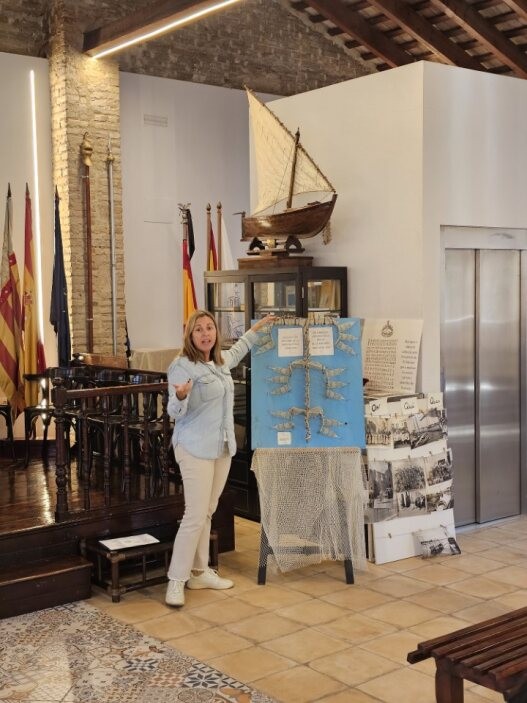
Technical visits to the Albufera and to the Fishermen’s Guildof Valencia